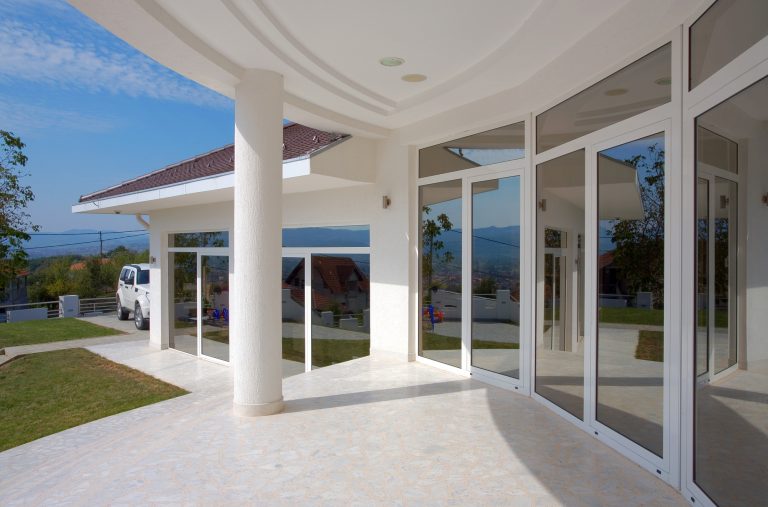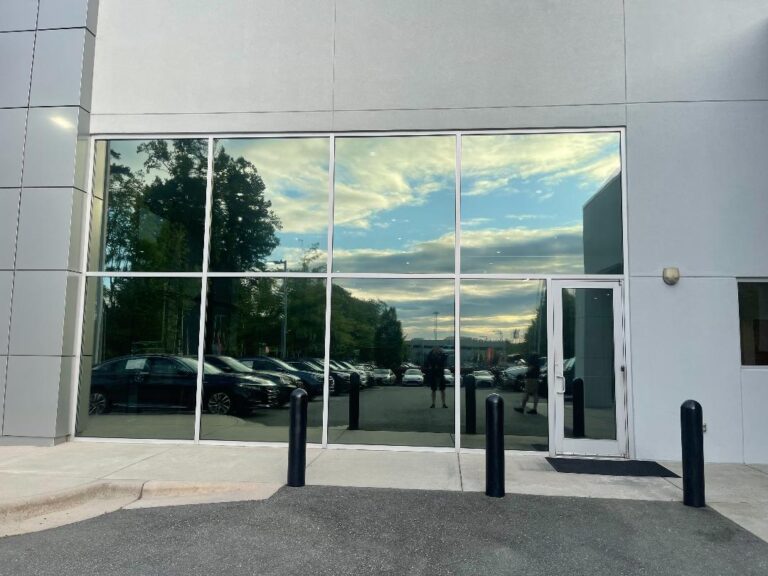


TLDR: If you or your neighbor’s vinyl siding, artificial turf, patio furniture, or landscaping is melting or warping, the problem may actually come from reflected sunlight off Low-E windows…not direct heat alone. Tint USA Coastal Carolina now installs ScorchProtect, a specialized exterior window film designed to diffuse concentrated solar reflections before they cause costly damage to your home.
Key Takeaways:
- Modern Low-E windows can create concentrated reflected heat strong enough to melt siding, scorch turf, and damage outdoor furniture.
- Replacing damaged siding or artificial grass without addressing the reflected sunlight often leads to the same problem happening again.
- ScorchProtect uses a perforated, heat-diffusing design that helps reduce damaging reflections while maintaining visibility and natural light inside the home.
- Tint Coastal professionally installs ScorchProtect and a range of solar window film Myrtle Beach and Wilmington area homeowners trust, helping prevent expensive exterior repairs caused by solar reflection damage.
You step outside and notice warped vinyl siding, melted patio furniture, or strange burnt patches across your artificial turf. How is this even possible?
Across the Carolinas, especially in newer coastal communities with energy-efficient windows, homeowners are seeing unexpected heat damage caused by reflected sunlight.
The good news? This problem has a real solution, and it doesn’t require replacing your windows.
At Tint USA Coastal Carolina, we now install ScorchProtect window film specifically designed to stop concentrated solar reflections before they damage your property.
Here’s how it works.
The Real Reason Your Siding or Turf Is Melting

Why is my siding warping? Most homeowners assume direct sunlight causes the damage.
In reality, the issue usually starts with modern Low-E windows.
Low-E (low emissivity) glass improves energy efficiency by reflecting heat. That helps keep indoor temperatures comfortable, especially in coastal climates. But under certain conditions, those same windows can create an intense reflected beam of sunlight.
When pressure changes between the panes of glass, the window surface can slightly bend inward. That creates a concave reflective surface (essentially turning the glass into a magnifying glass).
The result? Concentrated heat strong enough to damage nearby surfaces.


That’s why homeowners experience issues like:
- Melting vinyl siding
- Warped patio furniture
- Burnt spots on lawn from windows
- Artificial grass melting from window reflection
- Scorched plants or landscaping
- Faded outdoor materials
- Heat damage on neighboring homes
Homes across coastal North and South Carolina often include large windows, reflective glass packages, open backyard exposure, and close neighboring properties. Those design features increase the likelihood of concentrated solar reflection.
Why Replacing Siding Alone Won’t Solve the Problem
A lot of homeowners replace damaged siding or turf only to watch the problem happen again.
That’s because the source of the heat remains unchanged.
Without addressing the reflected sunlight itself, replacement materials stay vulnerable to the same concentrated heat beam.
The smarter solution focuses on stopping or diffusing the reflection before it reaches the surface.
That’s where an anti-reflective window film for siding like ScorchProtect comes in.
What Is ScorchProtect Window Film?
ScorchProtect is a specialized exterior window film developed specifically to reduce concentrated solar reflections from Low-E windows.
Unlike traditional tint products, this solution uses a perforated design that diffuses reflected sunlight rather than allowing it to concentrate into a damaging beam.
The film features:
- Clear perforated construction
- 0.08” diameter holes across 50% of the surface
- Minimal visual impact
- Excellent outward visibility
- Natural light transmission
- Exterior-grade durability for harsh climates
From inside the home, it looks very similar to a standard bug screen. Homeowners still maintain their views and natural light without the heavy appearance of traditional reflective films.
For coastal environments, durability matters. ScorchProtect offers 3+ years of exterior performance specifically designed to withstand intense sun exposure, humidity, salt air, and changing weather conditions.
How ScorchProtect Stops Turf and Siding Damage
The science behind the product is straightforward.
Instead of allowing reflected sunlight to concentrate into a focused beam, the perforated surface breaks up and diffuses the reflection.
That reduces the intense hotspot effect responsible for damage.
Homeowners searching for a heat-diffusing window tint typically need exterior window film for low-e windows. ScorchProtect is the solution.
A Small Investment Compared to Major Repairs
One of the biggest advantages of ScorchProtect comes down to simple economics.
Replacing melted siding, damaged turf, or ruined outdoor furniture can quickly cost thousands of dollars. Artificial turf replacement alone often becomes a major project.
By comparison, ScorchProtect film typically starts at $200 to $300 per roll, depending on dimensions.
That makes it a highly cost-effective preventative solution, especially for homeowners already seeing signs of heat concentration.
Instead of repeatedly paying for repairs, you address the root cause of sun reflection melting siding and damaging furniture once.
Signs Your Home May Need ScorchProtect
Not every heat issue comes from reflected windows, but there are some very specific warning signs.
You may benefit from ScorchProtect if you notice:
- Consistent Damage in the Same Location: Heat damage repeatedly appears in one concentrated area during certain times of day.
- Curved or Warped Vinyl Siding: Melting vinyl siding often appears rippled, bubbled, or distorted rather than evenly faded.
- Turf or Grass Damage Near Windows: Artificial grass melting from window reflections usually creates irregular burn patterns instead of widespread discoloration.
- Hotspots on Patio Furniture: Plastic or composite furniture develops warping, softening, or discoloration.
- Neighboring Window Reflection: Sometimes the reflected sunlight comes from a nearby home rather than your own windows.
Why Professional Installation Matters
ScorchProtect is specifically supplied through professional window film installers because solving concentrated solar reflection problems requires experience, accurate assessment, and proper installation techniques.
Incorrect placement or misdiagnosing the source of the reflection can leave the problem unresolved.
At Tint USA Coastal Carolina, our team evaluates:
- Window orientation
- Reflection angles
- Time-of-day exposure
- Surface damage patterns
- Low-E glass behavior
- Coastal weather conditions
That helps us identify the true source of the issue and install the film where it will provide the most effective protection.
As specialists in window tinting Wilmington NC and Myrtle Beach area homeowners trust, we understand the unique environmental conditions coastal properties face year-round and how to properly apply exterior window film for long-term performance.
Protect Your Home Before the Damage Gets Worse
Heat reflection damage rarely fixes itself. In many cases, it becomes more severe as seasons change and sunlight angles shift.
The earlier you address the issue, the better chance you have to avoid expensive repairs to siding, landscaping, turf, and outdoor furnishings.
ScorchProtect offers a practical, low-visibility solution designed specifically for this growing problem.
Tint USA now offers professional ScorchProtect installation for residential properties throughout the Carolina coast.
Whether you’re already dealing with melting siding or want to prevent future damage, our team can help identify the source and recommend the right solution for your home.
Contact us today to schedule an evaluation and learn how our coastal Carolina home protection film solutions can help protect your siding, turf, patio furniture, and outdoor spaces from concentrated solar heat.
FAQs
What causes melting vinyl siding?
Melting vinyl siding usually happens when reflected sunlight from Low-E windows concentrates heat onto the siding surface. The reflected beam can become significantly hotter than normal sunlight.
Can windows really melt artificial turf?
Yes. Artificial grass melting from window reflection has become increasingly common with modern energy-efficient windows. Reflected sunlight can generate temperatures high enough to soften or melt synthetic turf fibers. A window film to stop turf melting is the solution.
Does ScorchProtect block my view?
Very minimally. From inside the home, ScorchProtect looks similar to a standard bug screen. It still allows strong outward visibility and natural light transmission.
How long does ScorchProtect last?
ScorchProtect offers 3+ years of exterior durability and is designed specifically for harsh sun exposure and coastal environments.
Is ScorchProtect installed inside or outside the window?
ScorchProtect installs on the exterior side of the glass because that placement best disrupts concentrated reflected sunlight.
Who should I contact for window film installation?
For professional evaluation and installation, contact Tint USA Coastal Carolina. Our team specializes in identifying and solving heat reflection problems affecting siding, turf, and outdoor surfaces.
Related Links
- Why Beachfront Homes in the Carolinas Need Window Tinting
- Window Tinting Explained: Your FAQs on Energy and Cost Savings
- How Long Does Window Tint Last On Your Home Windows?
- 4 Benefits Of Home Window Tinting For The Environment
- What Are The Best Types Of Window Tint For Your Home
- Residential Services
- Residential Solar Window Tinting
- Our Past Projects
- Contact Us